SCSVMV Deemed to be University

श्रीचन्द्रशेखरेन्द्रसरस्वतीविश्वमहाविद्यालयः
Sri Chandrasekharendra Saraswathi Viswa Mahavidyalaya

IKS Sponsored FDP on Nyaya Shastra for Computer Science Students HEALTHY MINDS. BRIGHTER FUTURES. FROM DATA TO DECISIONS | DATA VISUALIZATION WORKSHOP A Special Lecture by Adv. J. Sai Deepak | Senior Advocate, Supreme Court of India ADMISSIONS 2027–2028 | SHAPE YOUR FUTURE AT SCSVMV Hands-on Learning Opportunity for Aspiring Drone Enthusiasts PROTECT YOUR IDEAS. POWER YOUR INNOVATION. 1st International conference on Recent Trends in Educational Technology – ICRTET2026″. For details visit: https://icrtet2026.in Jagadguru Pujyashri Jayendra Saraswati Shankaracharya Swamigal Jayanti – Annual Endowment Oration Student Induction Programme (SIP) – Academic Year 2026–27 Inauguration of SCSVMV – AICTE IDEA Lab FIT INDIA MARATHON 2026 ,Organized by SCSVMV, A Marathon for Everyone – Students, Faculty, Staff, Alumni, and the Public. Run for Health, Run for India! Commencement of First Year Classes – Academic Year 2026–27 Ph.D. Admissions Open – June 2026​ MoU with SAKSA to offer Certificate programmes in Sanskrit SCSVMV announces the International Conference on “Intelligent Systems for a Sustainable Future (ISSF 2026)” Launch of B. Com (General) in ODL Mode – UGC-DEB Recognized Programme India Space Academy invites participation in a six-day online program on “AI & ML in Space Exploration.” Testing and Consultancy for Industry & Research Gunvatta Yatra on NABL Accreditation for Testing and Calibration Laboratories and its Benefits. Kasi Tamil Sangamam 4.0 (KTS 4.0) – Tamil Karkalam Awareness and Usage of “Kaaval Uthavi” Mobile Application Ph.D Part Time Admission
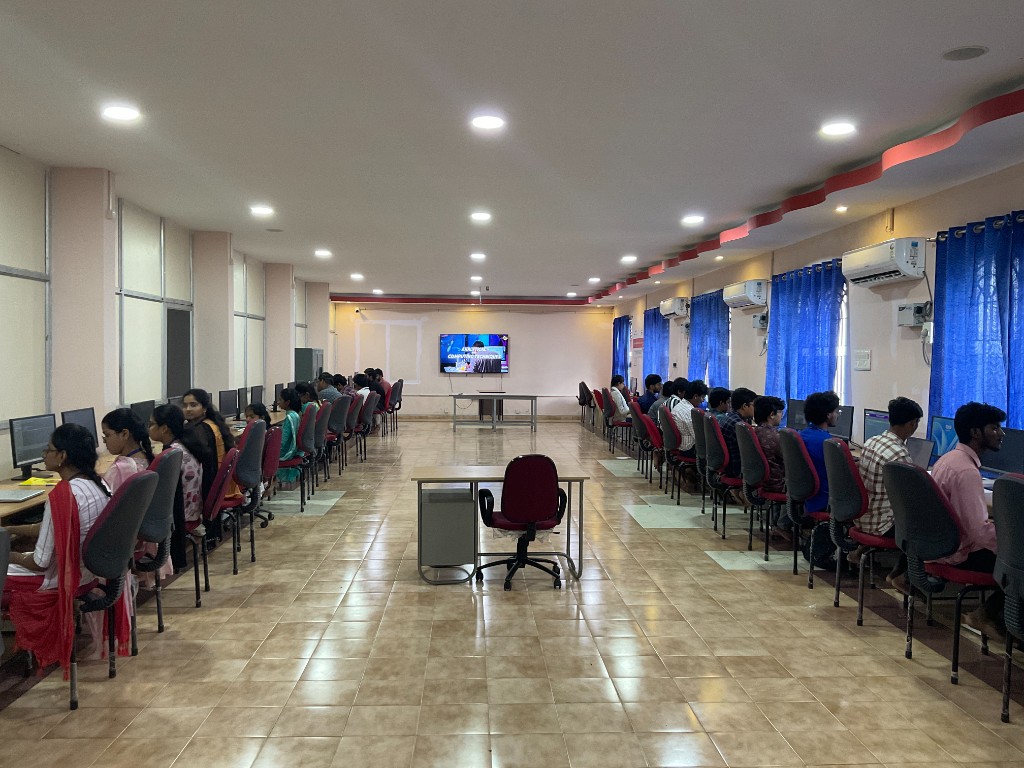
Department of CSE computing laboratory
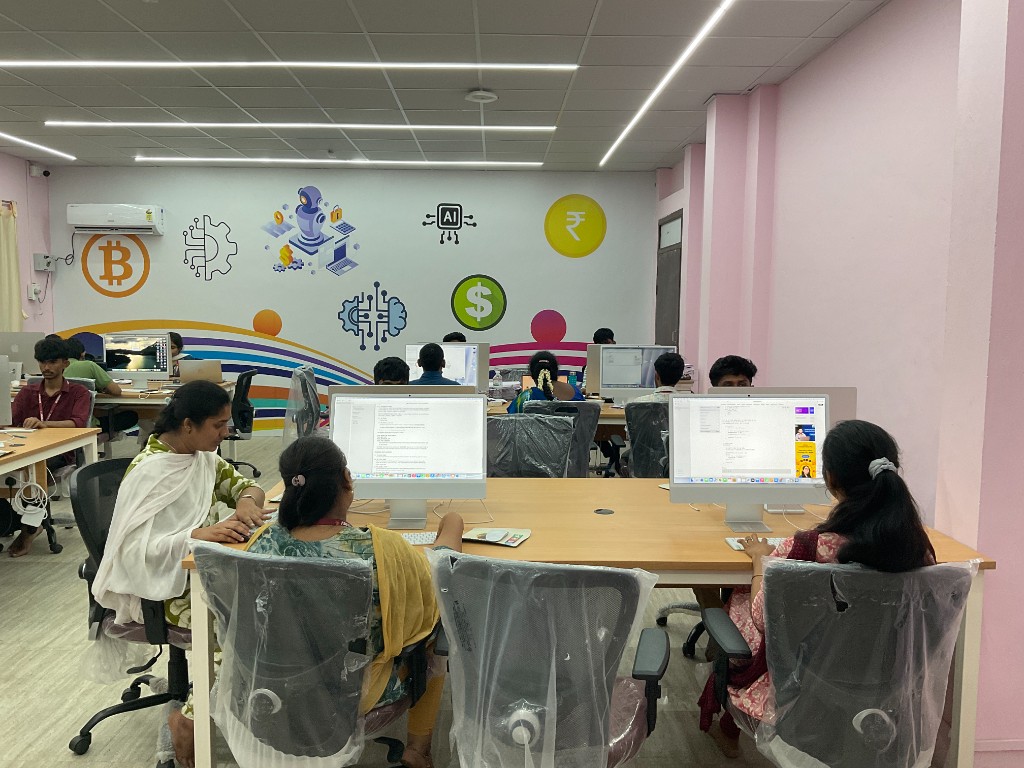
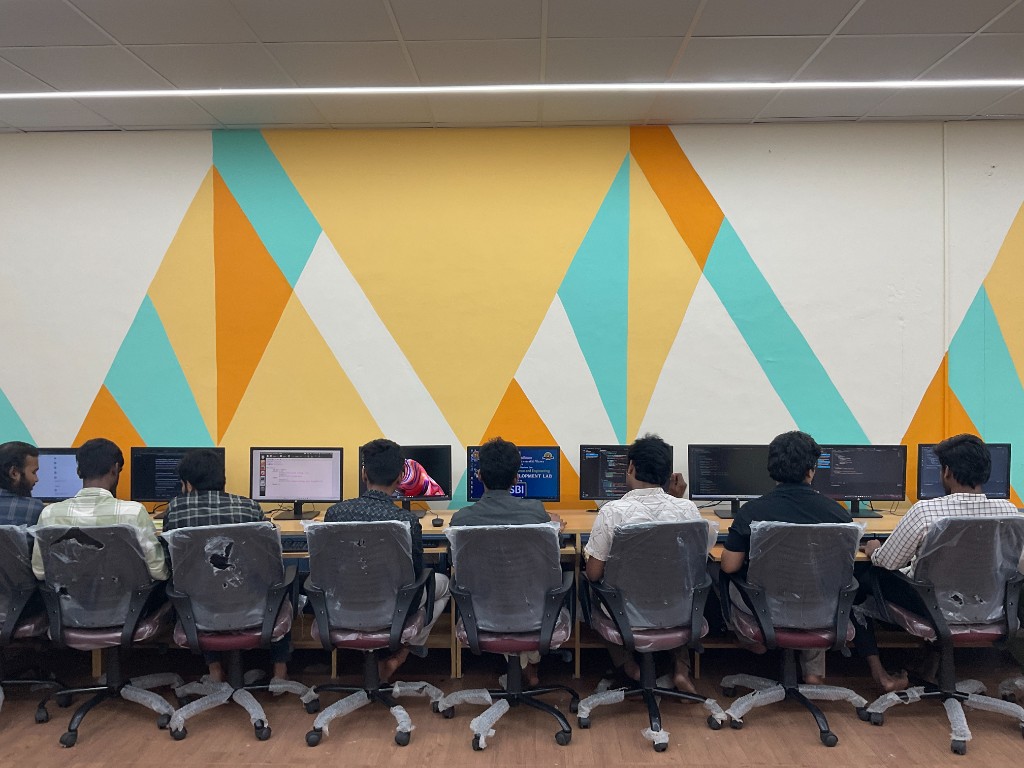
Students coding in the SBI Mobile Application Laboratory
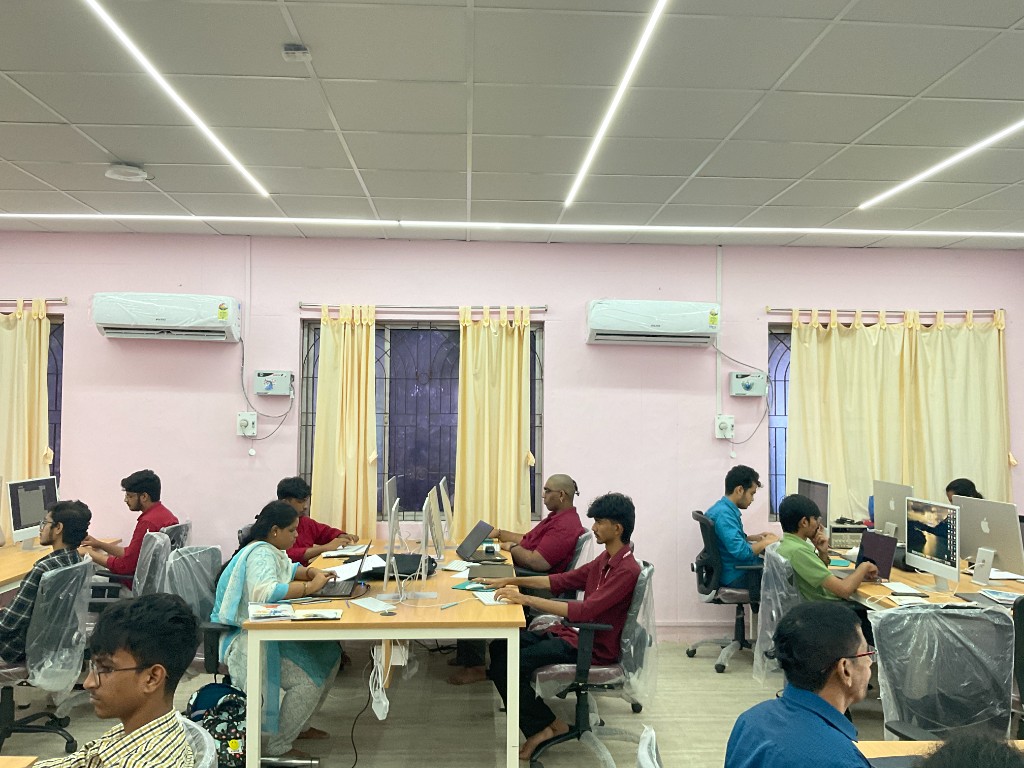
Students working in the SBI Mobile Application Laboratory
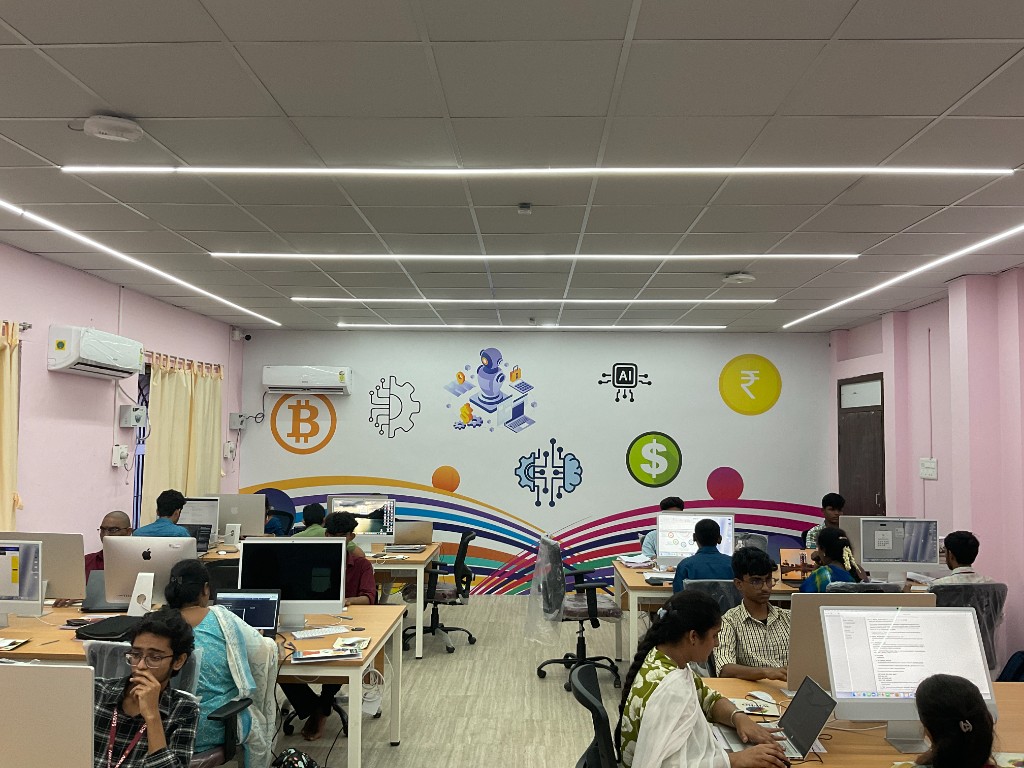
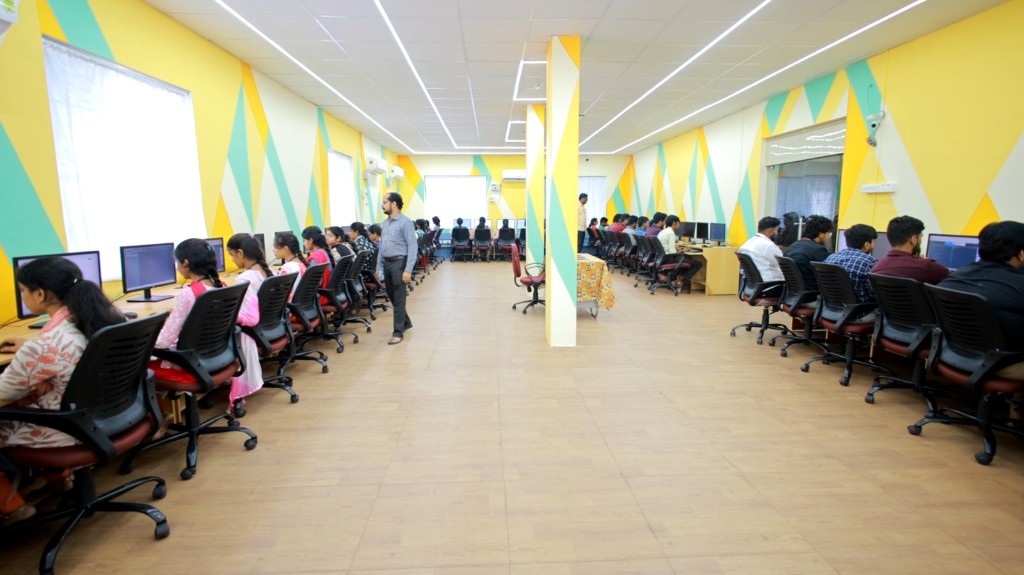
Students at work in the FinTech Innovation Lab

Faculty of Engineering & Technology · Department of CSE

B.E. (Hons.) Computer Science & Engineering
with Specialization in Cyber Security

Defend digital India — cryptography, cloud security, quantum-era readiness, and forensics on a full-time CSE honours track.

Duration4 yearsFull-time · max 7 years
ProgrammeB.E. (Hons.)CSE specialisation
ModeOn campusEnathur, Kanchipuram
Eligibility10+2 PCMMin. 50% · age ≤ 20
Honours19 creditsSemesters III–VII

Explore CSE Honours pathways

Four full-time specialisations. One strong CSE foundation.

Program overview

Protect systems. Investigate threats. Build trust in a connected world.

Every organisation runs on software — and every software surface needs defenders who understand both code and adversaries.

The B.E. (Hons.) CSE with Specialization in Cyber Security pairs a complete CSE degree with a 19-credit security pathway: Cyber Space Operations, Cryptography & Network Security with Lab, Database & Application Security, Cloud Security, Quantum Security, and Forensics & Investigation Lab (AY 2025–26 onwards).

Train for blue-team and secure-engineering careers with campus labs, MoUs (including Check Point Security), and placement-oriented skill building.

Students coding in the SBI Mobile Application Laboratory
10+Labs & centres — FinTech, Mobile App (SBI), Digital Inclusion (Dell)
MoUsCheck Point, IIT Madras, emudhra, Pantech & industry partners
19Honours credits from Semesters III–VII for the award

Where graduates create impact

Skills that travel across industries

Banking & FinTech

Transaction integrity, fraud defence, and secure digital banking.

Enterprise IT

SOC operations, hardening, and secure SDLC.

Cloud & SaaS

Identity, workload protection, and shared-responsibility security.

Government & Critical infra

National cyber resilience and compliance readiness.

Consulting & Forensics

Incident response, investigation, and assurance services.

Why this programme?

Designed to be beautiful to learn — and serious to graduate

Security-deep curriculum

Ops → Crypto & network security lab → App/DB security → Cloud → Quantum → Forensics lab.

Full-time defender training

Campus immersion with labs and continuous practice — not self-paced video only.

Hands-on crypto & forensics

Lab credits for cryptography/network security and investigation workflows.

Industry MoU advantage

Collaborations including Check Point Security and other technology partners.

CSE + security stack

You remain a strong software engineer who can also secure what you build.

Placement & upskilling

Aptitude, soft skills, certifications mindset, and T&P support.

Clear CBCS structure

Predictable assessment and grading under university regulations.

Recognised Honours degree

SCSVMV Deemed to be University (NAAC A Grade).
Learning by building

Multiple projects. Many levels. One transformative experience.

Security labs

Crypto & Network Labs

Protocols, hardening exercises, and applied cryptography practice.

Investigation

Forensics Lab

Evidence handling and investigation workflows in a dedicated lab course.

Capstone & contests

Projects & CTF-style events

Final-year project plus department events and industry workshops.

What will you learn?

Honours specialisation — 19 credits (Semesters III–VII)

Alongside the full B.E. CSE curriculum, honours students complete these specialised courses (Regulation AY 2025–26 onwards). A minimum of 19 credits is required for the Honours award.

Semester IIICyber Space Operations3 credits
Semester IVCryptography and Network Security with Lab5 credits
Semester VDatabase and Application Security3 credits
Semester VICloud Security3 credits
Semester VIIQuantum Security
Forensics and Investigation Lab
5 credits
SemesterCourse titleL–T–PCredits
IIICyber Space Operations3–0–03
IVCryptography and Network Security with Lab3–0–45
VDatabase and Application Security3–0–03
VICloud Security3–0–03
VIIQuantum Security3–0–03
VIIForensics and Investigation Lab0–0–42
Total honours credits19

Year 1–2 foundation: CSE fundamentals — programming, networks, OS, databases — so you understand the systems you will later defend.

Year 3–4 depth: Cyber operations, cryptography, application/cloud security, quantum-era topics, and forensics lab — plus project and internship pathways.

Download full syllabus (PDF) · B.E. CSE regulations 2026–27 · All academic programmes

Campus labs & centres

Where theory becomes practice

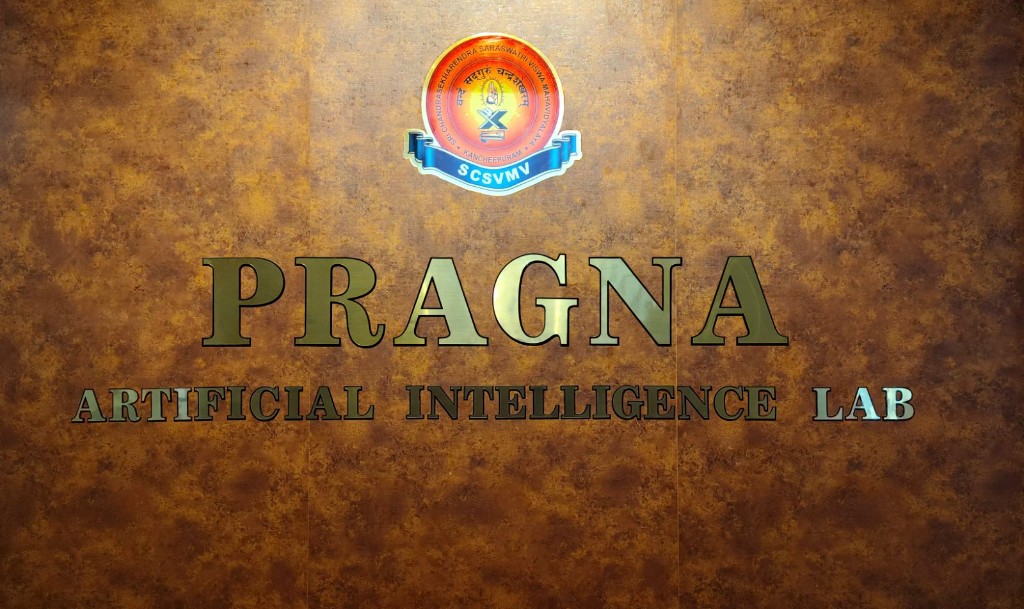
PRAGNA Artificial Intelligence Lab, Department of CSE, SCSVMVPRAGNA Artificial Intelligence Lab
Students working in the SBI Mobile Application LaboratoryMobile Application Laboratory (SBI)
Students in the FinTech Innovation LabFinTech Innovation Lab
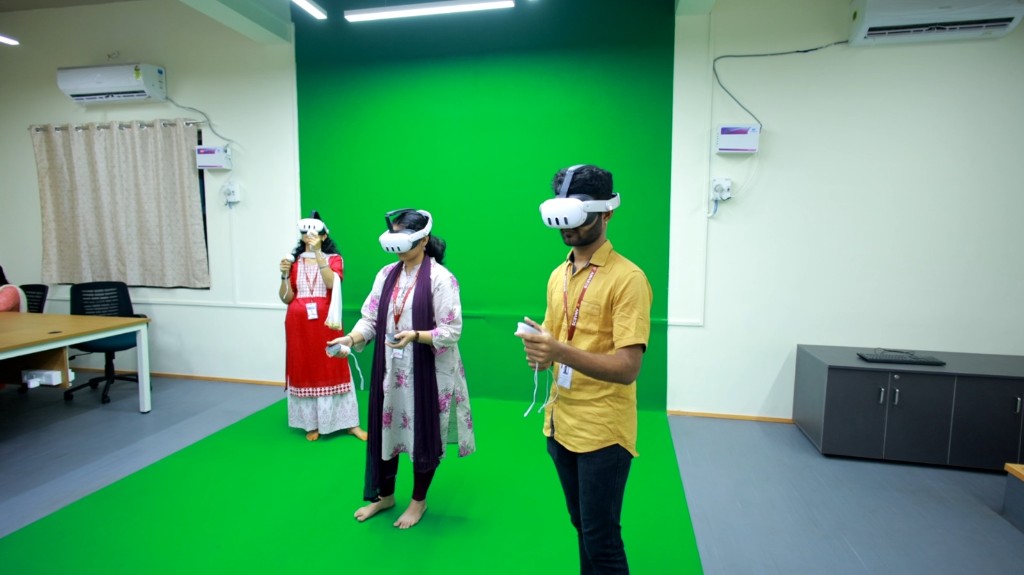
Students in the VR and greenscreen studioVR & immersive studio
Department of CSE computing laboratoryCSE computing laboratory
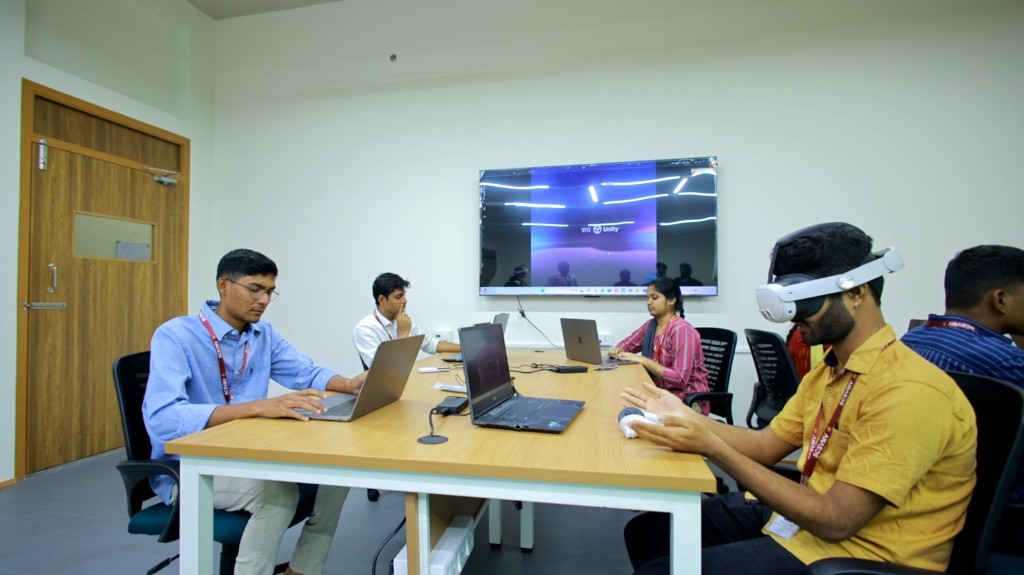
Students using VR headsets in the immersive computing studioImmersive computing studio
Students coding in the SBI Mobile Application Laboratory

Mobile Application Laboratory

CSR initiative by State Bank of India — inaugurated by Shri Challa Sreenivasulu Setty — for real mobile products.

Wide view of the FinTech Innovation Lab

FinTech Innovation Lab

Unveiled by Shri M.V. Rao, MD, Central Bank of India — digital banking and AI-led financial applications.

Students using VR headsets in the immersive computing studio

Digital Inclusion & immersive studio

Inaugurated by Ms. Archana Sahay, Dell Technologies — empowerment through inclusive technology, with VR and studio spaces for immersive work.

Plus CSE computing labs, research facilities, IDEA Lab access, and MoUs with Check Point, IIT Madras, emudhra, Pantech, Zuppa, and more.

Careers

What this programme prepares you for

Security Analyst / SOC

Detect, triage, and respond to threats.

Application Security

Secure code, reviews, and DevSecOps.

Cloud Security Engineer

Protect identities, data, and workloads.

Network Security

Perimeter, zero-trust, and secure connectivity.

Digital Forensics

Investigate incidents and preserve evidence.

Cryptography Engineer

Protocols, PKI, and secure communications.

GRC / Consultant

Policy, risk, and compliance advisory.

Higher studies / Research

M.E., specialised cyber PG, and research labs.

Recruiters engaging CSE talent include TCS, Infosys, and leading product firms. View CSE placements.

Eligibility

Who can apply?

Qualification

  • Completed 10+2 with Physics and Mathematics plus one eligible subject.
  • Minimum 50% marks (40% for reserved category).
  • Maximum age for B.E. / B.Tech (Full Time): 20 years.

Programme facts

  • Mode: Full-time, on-campus (not online / ODL).
  • Duration: Normally 4 years; maximum 7 years.
  • Attendance: Minimum 80% per course.
  • Campus: Enathur, Kanchipuram – 631561.

Courses offered & eligibility

Fee structure

Transparent fees with merit scholarships

B.E. Full Time – CSE semester fees follow the University engineering schedule (merit scholarships by PCM / HSC). Indicative:

Category (illustrative)B.E. Full Time – CSE / semester
PCM 95% & above₹55,000
PCM 90–94.99% / JEE Mains₹60,000
PCM 80–89.99%₹70,000
PCM 70–79.99%₹85,000
PCM 60–69.99%₹1,00,000
General / below scholarship bandup to ₹1,05,000
One-time admission fee₹25,000

District fee slabs and sibling/alumni scholarships may apply. Confirm on the official Fee Structure page before applying.

FAQ

Honours, fees, and essential information

What does B.E. (Hons.) CSE — Cyber mean?

You complete the full four-year B.E. Computer Science & Engineering degree and an additional Honours specialisation in Cyber Security. The Honours award requires 19 specialised credits taken in Semesters III–VII (Regulation AY 2025–26 onwards), offered by the Department of CSE at SCSVMV Deemed to be University.

How is Honours different from a regular B.E. CSE?

The CSE core, duration, campus mode, and university regulations are the same. Honours students take a structured extra specialisation track (19 credits) so the degree is awarded as B.E. (Hons.) CSE with this specialisation. Students who do not complete the 19-credit track graduate as B.E. CSE without the Honours specialisation, as per regulations.

When do Honours papers start, and can I join later?

Honours courses begin in Semester III and continue through Semester VII. Years 1–2 build CSE foundations. Change of specialisation or late entry, if permitted at all, follows University / department rules for that academic year — write to hodcse@kanchiuniv.ac.in before assuming a switch.

What is the eligibility, age limit, and campus mode?

Completed 10+2 with Physics and Mathematics plus one eligible subject; minimum 50% marks (40% for reserved category). Maximum age for B.E. / B.Tech (Full Time) is 20 years. This is a full-time, on-campus programme at Enathur, Kanchipuram — not online or ODL. Courses offered & eligibility.

How long is the programme, and what attendance is required?

Normal duration is 4 years (8 semesters); the maximum period allowed is 7 years. Minimum attendance is typically 80% per course. Assessment follows CBCS (about 40% internal + 60% end-semester) with university S–E grading as in the CSE regulations.

What is the tuition fee for this Honours CSE programme?

These pathways follow the University B.E. Full Time – CSE semester fee (not a separate published Honours tariff). Indicative slabs: PCM 95% & above ₹55,000; 90–94.99% / JEE Mains ₹60,000; 80–89.99% ₹70,000; 70–79.99% ₹85,000; 60–69.99% ₹1,00,000; general / below scholarship band up to ₹1,05,000 per semester. Always confirm on the official Fee Structure page.

Is there an extra fee only because it is Honours?

The published engineering semester fee for B.E. Full Time CSE applies to AIML, AIDS, Cyber Security, and IoT Honours. Merit, district, sibling, and alumni concessions may reduce the payable amount. There is no separate “Honours surcharge” listed on the public fee table; use the current University circular as the source of truth.

What is the one-time admission fee, and what else should families budget?

A one-time admission fee of ₹25,000 is listed with the engineering schedule. Plan separately for hostel and mess (if residential), examination-related charges, and personal learning materials. Those items are not the same as semester tuition.

How do I apply, and who do I contact?

Apply through the University Admissions portal with 10+2 documents. Programme questions: Dr. M. Senthil Kumaran, HoD CSE — hodcse@kanchiuniv.ac.in, Enathur, Kanchipuram – 631561.

Where can I download the syllabus and CSE regulations?
Do I need prior cyber experience, and what are the Honours papers?

No prior cyber job experience is required. Years 1–2 are CSE foundations. From Semester III the track covers cyber operations, cryptography, application/cloud security, quantum-era topics, and a forensics lab — 19 credits in total.

Department contact

Ready to shape your future with this Honours pathway?

Dr. M. Senthil Kumaran
Head of the Department, Computer Science and Engineering
Email: hodcse@kanchiuniv.ac.in
Campus: Enathur, Kanchipuram – 631561

About Placement and Training Divison

Every student comes with an aspiration for a flying career. The training and placement division work to support the student’s aspirations with an aim to guide them to start building a career and not just an employment.

Career Planning is a complex process and when multiple opportunities are in front of the final year students, it’s become difficult for them to identify the best suited opportunity. The Training & Placement Division understand this and conducts various programmes and support services to meet the needs of students towards their professional development. The division works with the students and for the students in their career planning process.

The placement division acts as a bridge among the students, academic departments and industries. We start with conducting career guidance and counseling sessions with industry experts so that students could understand and define their career aspirations. This would help us to understand their career needs and to connect them for the required training & up-skilling sessions.

Today, there is no scarcity for knowledge-centers but choosing the right place to up-skill is the key to succeed and we ensure that we connects the students with best resource centers in the market. We train the students from their II year onwards with Soft Skill & English Communications in the 3rd and 4th semester respectively. In the III year, students are trained in Aptitude skills. These skill sets are compulsory for students who aspire to qualify for campus placements, competitive exams and much more. Our in-house faculty will handle these training programmes with diligent.

We connect the students with multiple resources for them to perceive, possess, prepare, practice, perform and prosper.

Many say knowledge is power, but it is equally true that applied knowledge is the real power. We encourage students to take up internships, industry certifications, to take-up career assessments, to participate in hackathons, tech. contests and other skill development activities. Students also have access to learn foreign languages as open electives. These add-ons would increase their knowledge and skill-set; which would fetch the best opportunities for them to start their career.

Preparation + Opportunity = Success. Our motto is to guide the students to prepare for their career and to support them with opportunities. If the students are prepared, they can easily grab the opportunity and shine.

This will close in 0 seconds